For a modern Maxi racing yacht, electronics are no longer a collection of independent systems. Instrumentation, hydraulics, LiDAR and sensors throughout the yacht generate a huge amount of data. The challenge is bringing that information together, processing it intelligently and making it useful to the sailing team.
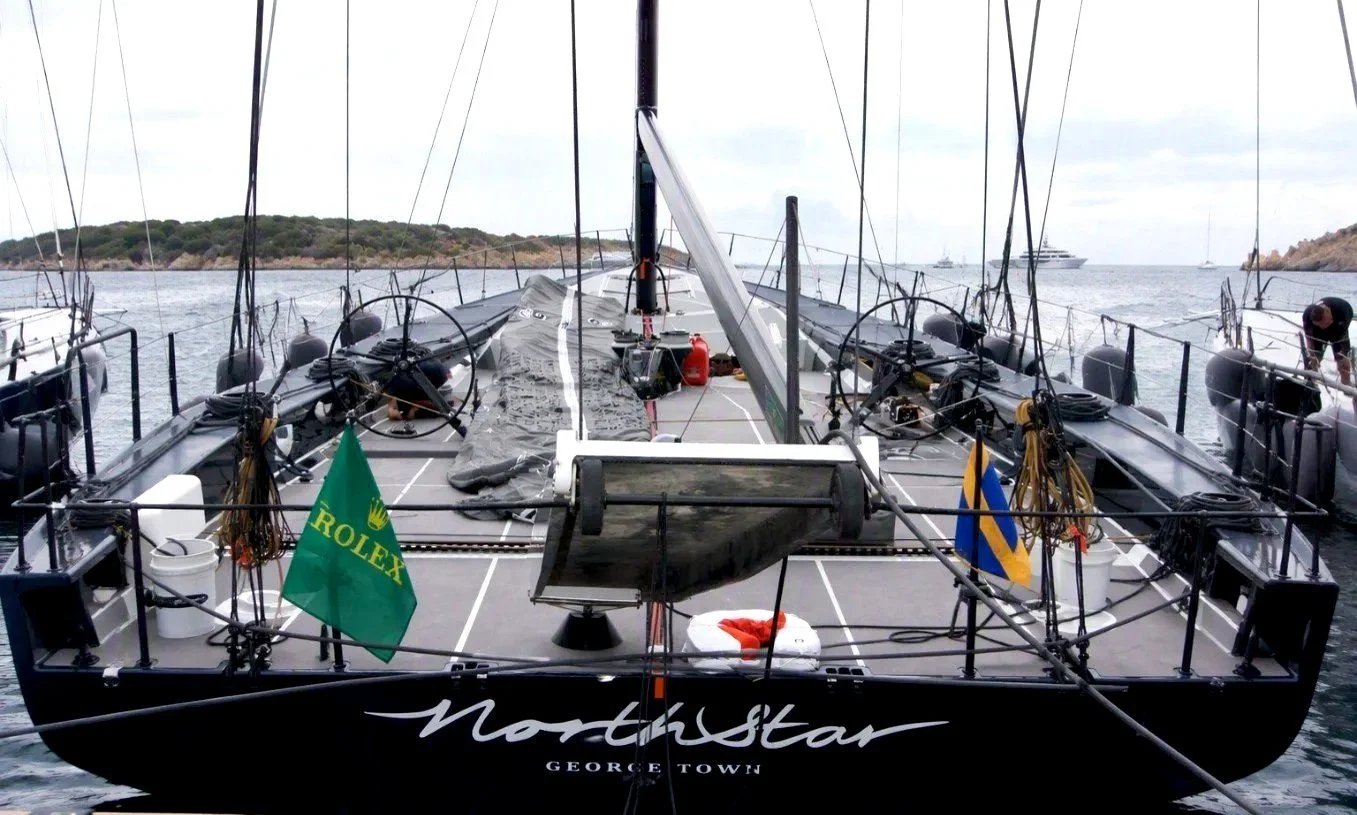
That was central to Osprey Technical’s work on North Star III.
Osprey was responsible for the design and delivery of the yacht’s electronics package, taking the project from initial system development through detailed design and workshop preparation to installation and commissioning.
But the project was about much more than specifying and installing equipment. It was about developing an electronics architecture around the way the yacht would be sailed and doing that collaboratively with the people who understood each part of the boat.
Developing the system together
The project began with the requirements rather than the hardware.
Working closely with navigator Miles Seddon and the wider project team, Osprey developed the system architecture around the information the sailing team wanted to capture, calculate and ultimately use.
It was necessarily an iterative process. Instrumentation, sensor requirements, hydraulic functions, load measurement and LiDAR all had their own requirements, but none could be considered entirely in isolation.
Miles played a central role in that development, defining and refining how the sailing team wanted to use the data as the project progressed.
Osprey’s role was to turn those evolving requirements into a coherent system: developing the architecture and schematics, defining interfaces and cabling, coordinating with specialist suppliers and then translating the design into something that could be built, tested, installed and supported.
That collaboration extended into some of the most specialised elements of the project, where Osprey worked with the relevant technical partners to ensure that individual systems could become part of the wider onboard data environment.
Building around the data
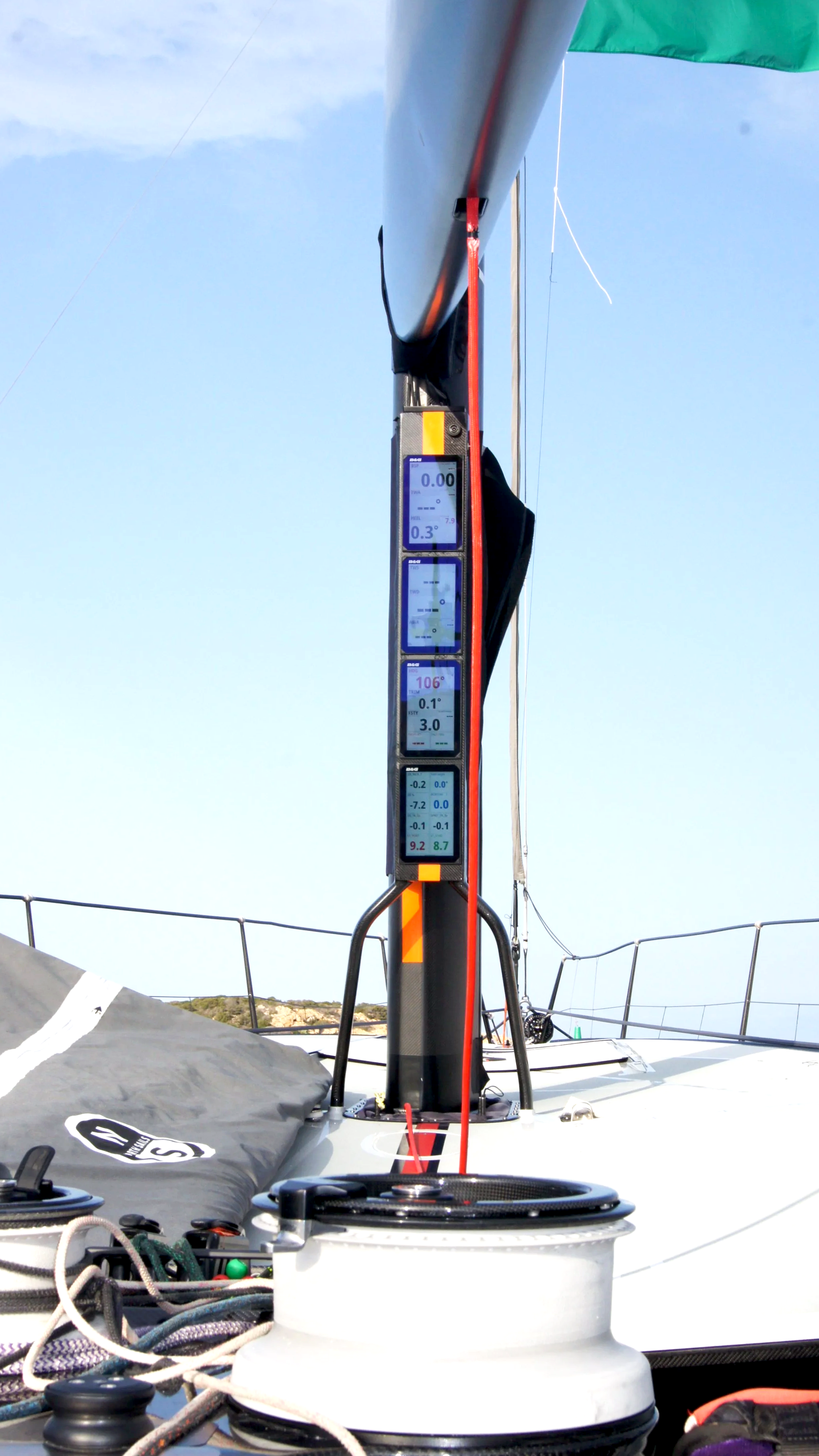
At the heart of the instrumentation architecture is the B&G Hercules WTP processor.
For North Star III, its significance goes beyond conventional sailing instrumentation. The Python environment gives the team considerable freedom to develop custom functions and mathematics around the data generated by the yacht.
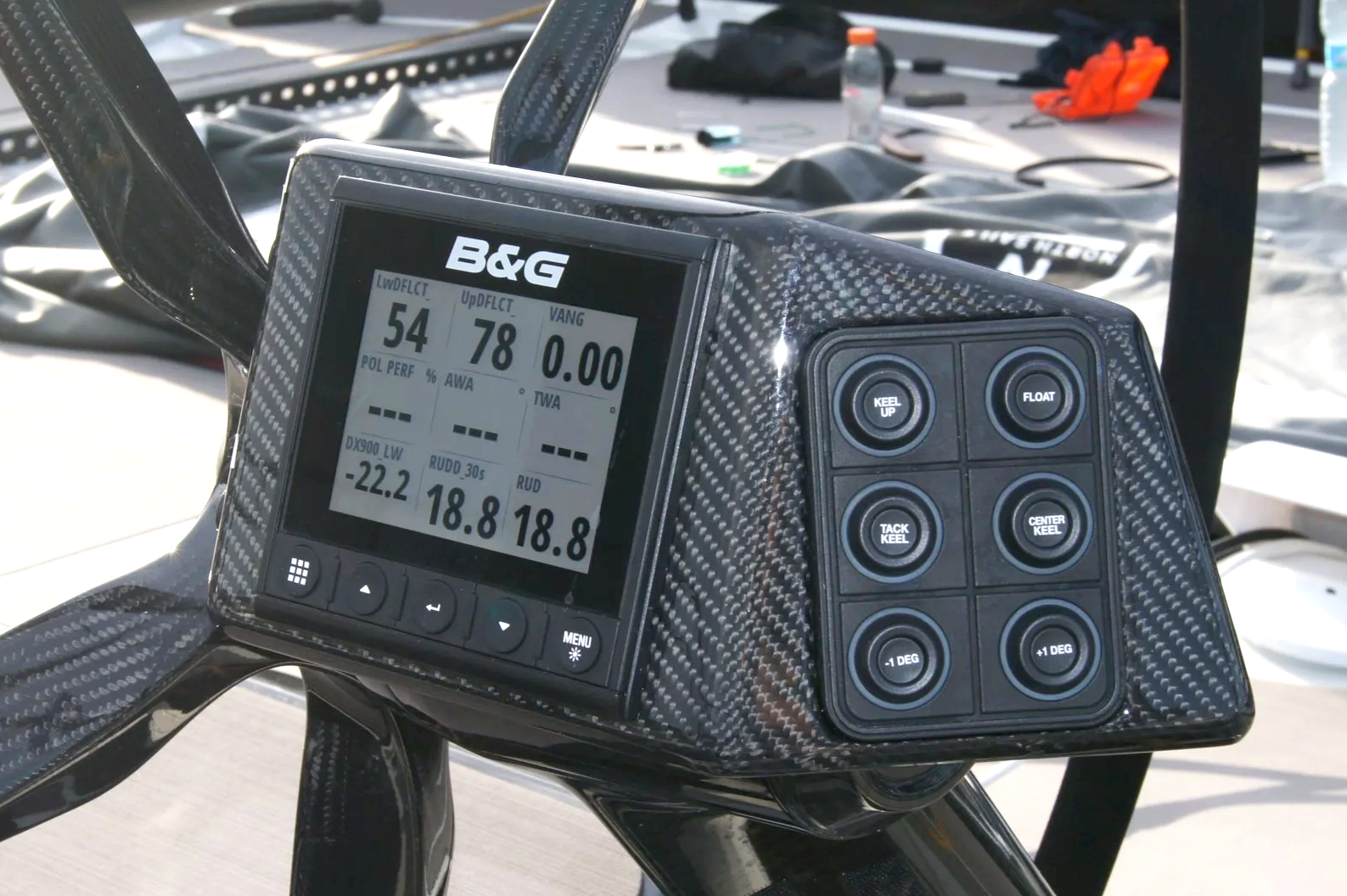
This allows conventional sailing data to sit alongside information from the hydraulics, LiDAR, rig loads, position sensors and other sources, with the ability to manipulate and combine that data in numerous ways.
Coupled with the B&G Nemesis displays, it provides an extremely powerful platform. A huge number of data channels can be processed and presented to the crew, while retaining the flexibility to change what is calculated and displayed as the team develops the boat.
Yet underneath that flexibility sits a solid, proven, mass-market processor and display ecosystem.
That was an important principle throughout the project: use established technology wherever possible, then apply the engineering and integration required to make it work specifically for the boat.
From design to build
Much of the engineering on a project like this happens before the equipment reaches the yacht.
The system had to bring together instrumentation, hydraulics, LiDAR and load measurement alongside the navigation, communications, networking and power infrastructure needed to support them.
The design also had to continue evolving as information arrived from different parts of the project. Decisions around sensors, hydraulics, loads and data processing all influenced other parts of the system.
This is where the collaborative approach became particularly important.
Osprey worked between the sailing team, equipment manufacturers and specialist suppliers, resolving interfaces and maintaining the overall system architecture as the individual elements developed.
Workshop preparation and testing were a key part of the process. Wherever possible, configuration, calibration and testing took place before installation, reducing the amount that needed to be developed for the first time onboard.
With a tight installation programme, systems could then be brought online progressively, allowing integration, testing and commissioning to continue as the build developed.
Connecting the expertise behind the systems
That collaborative approach does not need to stop when the yacht leaves the yard.
A boat incorporating specialist instrumentation, hydraulics and LiDAR does not have one technical expert behind it. Each system has its own specialists, with detailed knowledge of both the technology and its application.
That thinking is also behind Osprey’s ROAM platform.
ROAM provides a secure remote connection to the yacht, allowing the appropriate technical specialists to remain connected to the systems they support.
Rather than expecting one person onboard to understand every part of an increasingly sophisticated technical environment, the objective is to connect each system with the right expertise, while Osprey retains the wider system integration view.
For North Star III, that is a natural extension of the way the project was developed in the first place. The electronics were created through collaboration between the sailing team, Osprey, manufacturers and specialist suppliers. ROAM allows that collaborative support model to continue once the yacht is sailing.
Integration is not only about connecting systems. It is also about connecting the people who understand them.
From development to racing
North Star III went on to win the 2026 Maxi Yacht Rolex Cup in Porto Cervo, only a few short months after launch.
This project demonstrates what can be achieved when electronics are developed as an integral part of the yacht. That was made possible by the North Star III team’s vision and the trust they placed in Osprey and the project’s technical partners to take a different approach and build something better. We are proud to have worked alongside a team with the ambition and expertise to make that possible.